
The True Cost of Tech Debt: Why Software Bottlenecks Happen
We all laugh at the programming memes, but technical debt and operational bottlenecks are the silent killers of enterprise software. Discover what actually causes these systemic slowdowns, how to identify them before your architecture collapses, and why modern engineering focuses on system flow over sheer coding speed.
By Isaii Team
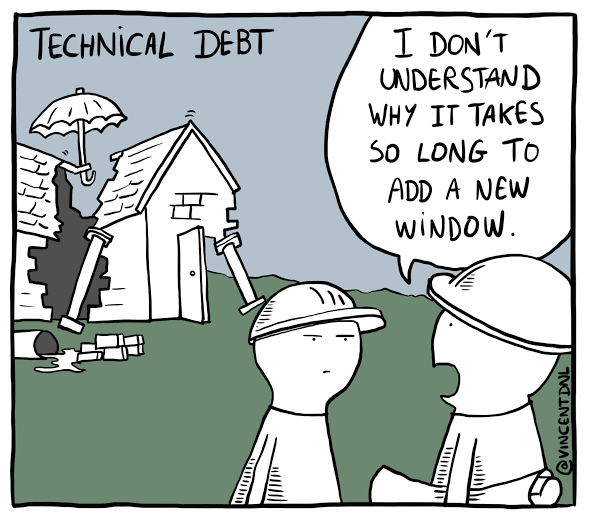
The Joke Every Developer Understands
If you spend any amount of time on Reddit or developer forums, you have seen the memes. The community copes with the daily struggles of software engineering through humor. But behind every meme about a broken codebase or a delayed feature launch lies a very real, very expensive enterprise problem: The Scaling Bottleneck.
One of the most common bottlenecks startups and growing enterprises face is Technical Debt.
At the beginning of the life cycle when the company is in the hustle stage, developers are pressured to roll out as much functionality as possible. To do this quickly, they make compromises. They hard-code variables, fail to write documentation and create highly coupled databases. This is like taking out a very expensive credit card loan to support your company. The "interest" will be paid back eventually.
When the management asks the developers to just "roll out another simple window" in their application, they are not aware that the developers need to tiptoe through the crumbling foundations to achieve that. The result is brittle code, hard to test, difficult to read by newcomers. Development speed decreases not because the developers are slow but because the accumulated technical debt creates a huge structural bottleneck. The Meeting Paradox: Why We Cannot Just "Code Faster" When a bottleneck happens, it's natural for non-technical managers to pressure the developers to type faster or to write more lines of code. But coding is usually not the real bottleneck.
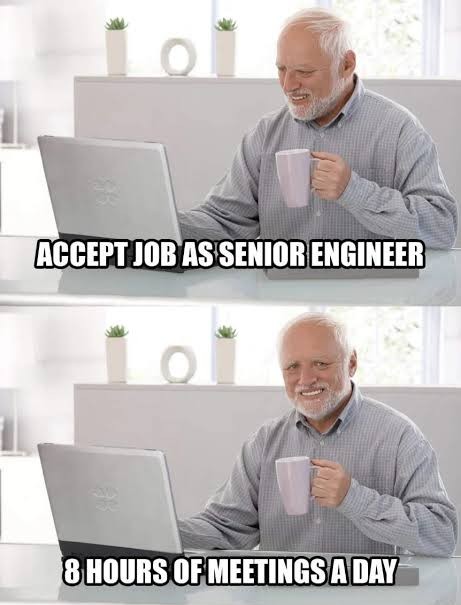
As systems become more complex, the bottleneck shifts from typing to understanding. Software engineering is about creating a consistent, objective mental model of a complex business process. If the domain logic is flawed, writing the code faster just means you are building the wrong thing faster.
However, this creates a secondary bottleneck: Communication Overhead. As teams scale, developers are pulled into endless alignment meetings, agile ceremonies, and design reviews. The deep, uninterrupted "flow state" required to untangle complex technical debt is shattered by constant context-switching.
Visualizing the Pipeline
To truly fix a bottleneck, you have to be able to see it. In system architecture, a bottleneck is simply the stage in a pipeline that has the lowest throughput, dictating the maximum speed of the entire system.
If your database can only process 100 queries a second, it doesn't matter if you upgrade your front-end web servers to handle 10,000 users a second. The data will back up at the database, the system will crash, and your investment in the front-end will be wasted.
How Isaii Technologies Fixes the Flow
You cannot meme your way out of technical debt, but you can engineer your way out of it.
At Isaii Technologies, we don't just write code; we design resilient systems. When we partner with growing enterprises, we conduct deep architectural audits to identify exactly where the throughput is choking.
Paying Down the Debt: We help businesses transition from brittle, monolithic legacy code to decoupled, modular architecture using Java and Spring Boot.
Automating the Flow: By deploying integrated tools like Bill Buddy or our unified Task Management Module, we eliminate the manual human bottlenecks that slow down your daily operations.
Protecting Developer Time: We build clear API specifications and CI/CD (Continuous Integration/Continuous Deployment) pipelines, allowing developers to safely push code without breaking the system.
If your software feels like a collapsing house every time you try to add a new feature, it is time to address the foundation.
Want to stop laughing at the memes and start fixing the code?
Contact Isaii Technologies today. Let’s identify your architectural bottlenecks and build a custom software ecosystem that is built to scale, not to break.
Next step
Interested in working together?
Tell us about your product or idea — we'd love to hear from you.
Continue reading
More articles
Custom AI Solutions
The Great SaaS Trap: Why Off-the-Shelf Subscriptions Are Clowning Your Enterprise BudgetWe all love a good meme about software expectations versus reality. But there is nothing funny about the hidden "SaaS Tax" draining your company's budget. It is time to compare the true 3-year cost of renting generic, disconnected software subscriptions against the massive ROI of owning a unified custom ecosystem from Isaii Technologies.
5 Min Read
Custom AI Solutions
Beyond Microservices: Why 2026 is the Year of Event-Driven, Composable ArchitectureJust a few years ago, traditional microservices were the pinnacle of software engineering. Today, they are being replaced by "Composable Architecture." Dive into the tech trends defining 2026, and discover how event-driven data ecosystems are allowing enterprises to build software that functions like interchangeable LEGO bricks.
5 Min Read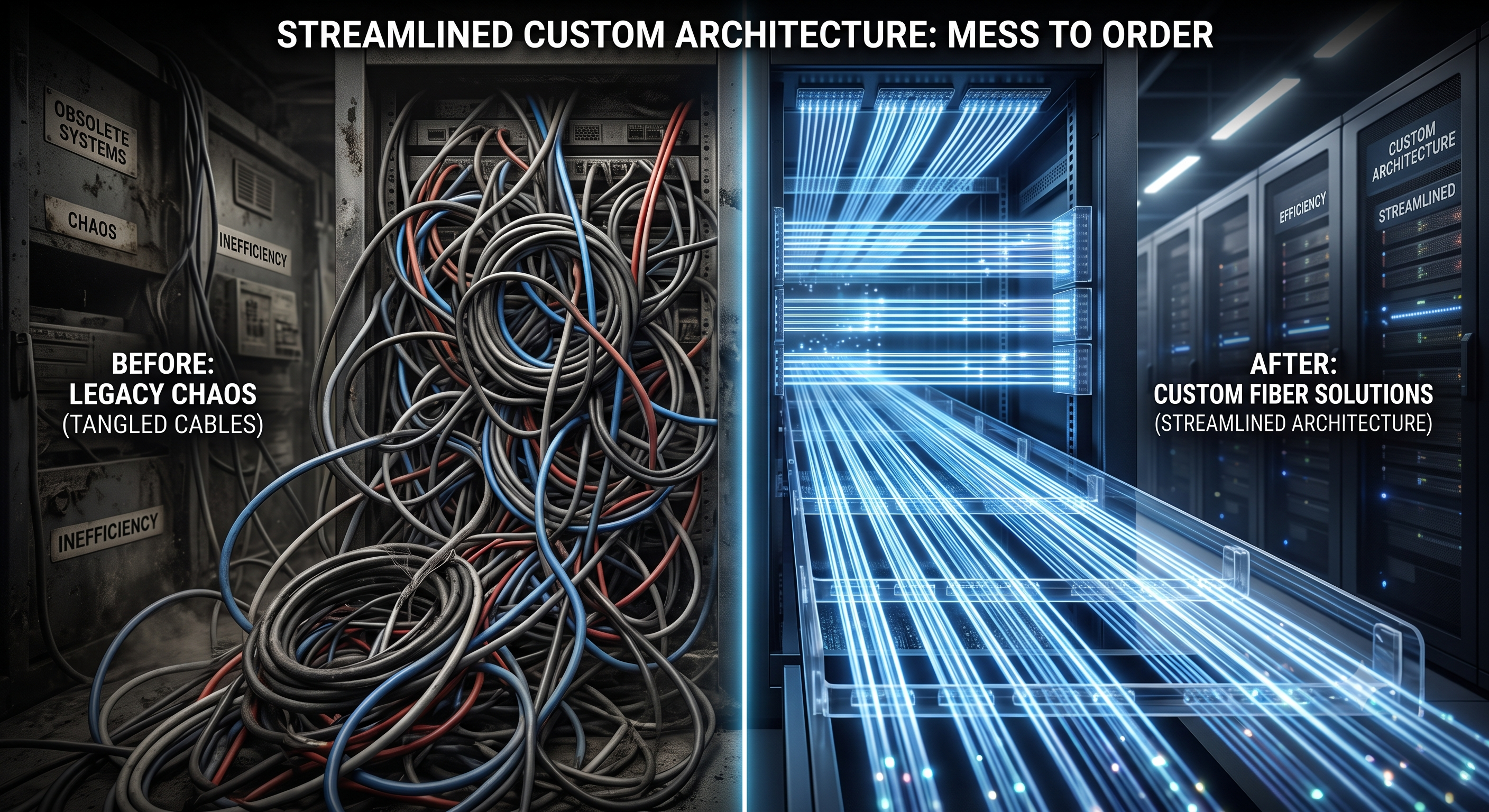
Custom AI Solutions
Beyond the Template: How Isaii Technologies Engineers Custom Solutions for Scaling EnterprisesAre your daily operations constrained by off-the-shelf software? When standard applications fail to handle complex regional workflows, scaling businesses require robust, purpose-built architecture. Discover how Isaii Technologies leverages high-performance engineering and our flagship product, Bill Buddy, to completely eliminate manual bottlenecks.
5 Min Read