
Beyond Microservices: Why 2026 is the Year of Event-Driven, Composable Architecture
Just a few years ago, traditional microservices were the pinnacle of software engineering. Today, they are being replaced by "Composable Architecture." Dive into the tech trends defining 2026, and discover how event-driven data ecosystems are allowing enterprises to build software that functions like interchangeable LEGO bricks.
By Isaii Team
The Rise and Fall of the "Distributed Monolith"
If you have been following software engineering trends over the last decade, you know the story: companies wanted to scale, so they tore down their massive, rigid "monolithic" applications and replaced them with microservices.
The theory was sound. By breaking an application into smaller, independent services, development teams could deploy updates faster. However, as we move through 2026, a hard reality has set in for many enterprises. Instead of true agility, they accidentally built "distributed monoliths". Their microservices were still tightly coupled. If the payment service went down, the inventory service crashed with it because they relied on synchronous, direct API calls to function.
To fix this, the industry is undergoing a massive paradigm shift. Software engineers are no longer just building apps; they are designing Composable Enterprises.
What is Composable Architecture?
Composable architecture is the realization that business capabilities should be packaged into independent modules that can be assembled, replaced, and scaled without redesigning the entire software estate.
Think of it like digital LEGO bricks. In a composable world, a specific module (like a CRM or a checkout engine) can be hot-swapped within days if it stops meeting business requirements. The front-end user interface is completely decoupled from the back-end business logic (a concept known as "Headless" architecture). This allows a company to completely redesign its mobile app without ever touching its core database.
The Engine of 2026: Event-Driven Architecture (EDA)
You cannot have a composable enterprise without a new way for these modules to communicate. Enter Event-Driven Architecture (EDA).
In traditional systems, Service A calls Service B and waits for an answer. In EDA, services don't talk to each other directly; they communicate by producing and consuming "events".
An event-driven system consists of three structural pieces: Event Producers: A service that detects a state change (e.g., a customer clicks "Buy"). It publishes an event like OrderPlaced. Event Brokers: The infrastructure (like Kafka or Google Cloud Pub/Sub) that catches the event and routes it. Event Consumers: Other services that are "listening" for that specific event and react to it autonomously.
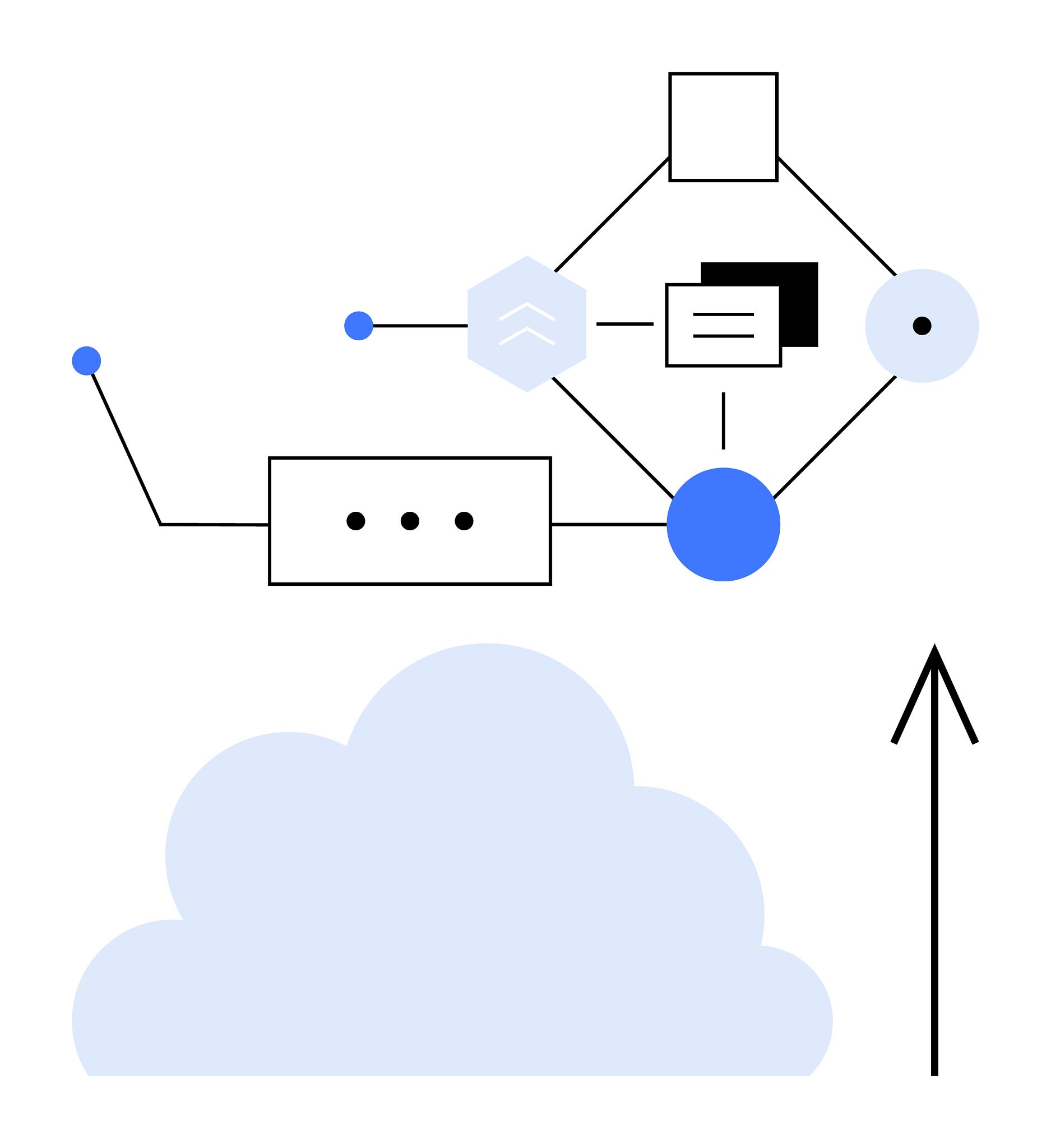
Why is this revolutionary? Because it removes explicit coupling. If you want to add a brand-new Fraud Detection module, you don't have to rewrite your checkout code. You simply plug the new module into the event broker and tell it to listen for the OrderPlaced event. The original system doesn't even know the new module exists, yet they work together perfectly. Bringing the Future to Your OperationsWhile these concepts are highly theoretical, they are being applied to solve real-world bottlenecks today. You don't need to be a massive Silicon Valley tech giant to leverage composable, event-driven architecture.
At Isaii Technologies, we build custom software ecosystems using these exact modern principles. When we engineer a custom backend using Java and Spring Boot, paired with real-time Firebase syncing and MySQL databases, we are building composable architecture.
Consider our flagship retail product, Bill Buddy. It is inherently modular. When a transaction clears at the checkout counter, Bill Buddy acts as an Event Producer. It instantly fires off data that your central inventory database (the Consumer) uses to update stock levels, without a human ever having to manually sync a spreadsheet.
Furthermore, because we build front-end applications natively in Flutter, we maintain a "Headless" approach. Your mobile applications run lightning-fast on both iOS and Android, pulling data seamlessly from your custom backend without being bogged down by legacy code.
Stop Building Monoliths
The era of rigid, one-size-fits-all software is over. In 2026, competitive businesses are demanding software that is agile, resilient, and capable of autonomous integration.
Whether you are a tech enthusiast tracking the future of cloud computing, or an enterprise leader realizing your current software is too rigid to scale, the answer lies in custom, composable engineering.
Want to see modern architecture in action?
Explore Isaii Technologies today. Let’s discuss how custom web and mobile development, powered by event-driven logic, can future-proof your enterprise.
Next step
Interested in working together?
Tell us about your product or idea — we'd love to hear from you.
Continue reading
More articles
Custom AI Solutions
The Great SaaS Trap: Why Off-the-Shelf Subscriptions Are Clowning Your Enterprise BudgetWe all love a good meme about software expectations versus reality. But there is nothing funny about the hidden "SaaS Tax" draining your company's budget. It is time to compare the true 3-year cost of renting generic, disconnected software subscriptions against the massive ROI of owning a unified custom ecosystem from Isaii Technologies.
5 Min Read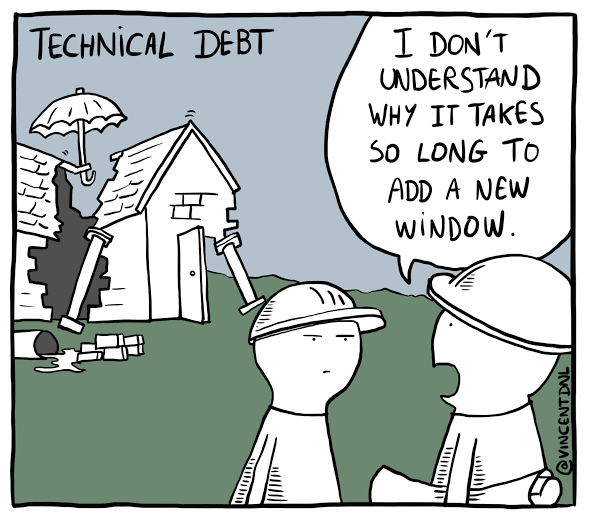
Custom AI Solutions
The True Cost of Tech Debt: Why Software Bottlenecks HappenWe all laugh at the programming memes, but technical debt and operational bottlenecks are the silent killers of enterprise software. Discover what actually causes these systemic slowdowns, how to identify them before your architecture collapses, and why modern engineering focuses on system flow over sheer coding speed.
5 Min Read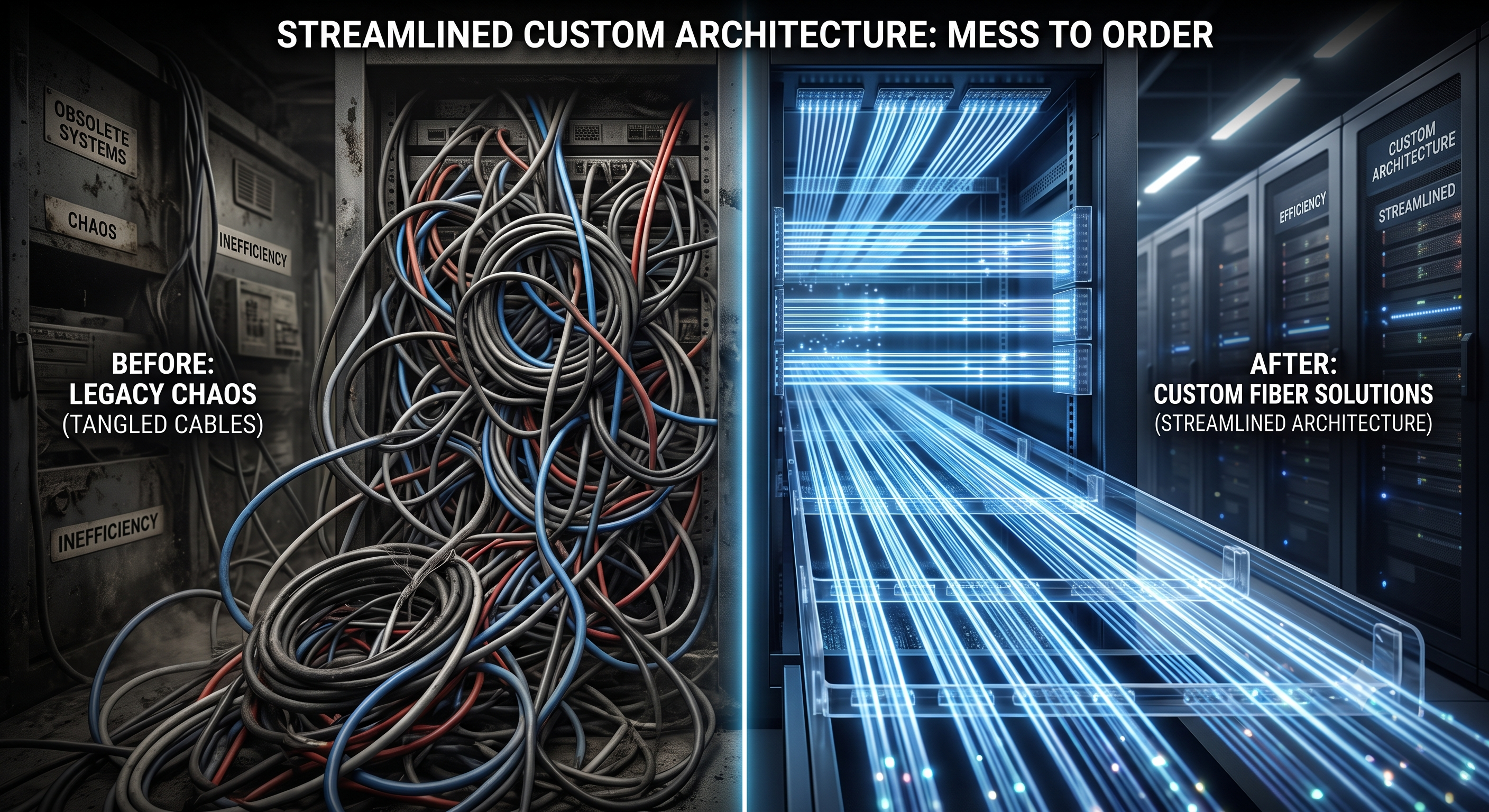
Custom AI Solutions
Beyond the Template: How Isaii Technologies Engineers Custom Solutions for Scaling EnterprisesAre your daily operations constrained by off-the-shelf software? When standard applications fail to handle complex regional workflows, scaling businesses require robust, purpose-built architecture. Discover how Isaii Technologies leverages high-performance engineering and our flagship product, Bill Buddy, to completely eliminate manual bottlenecks.
5 Min Read